
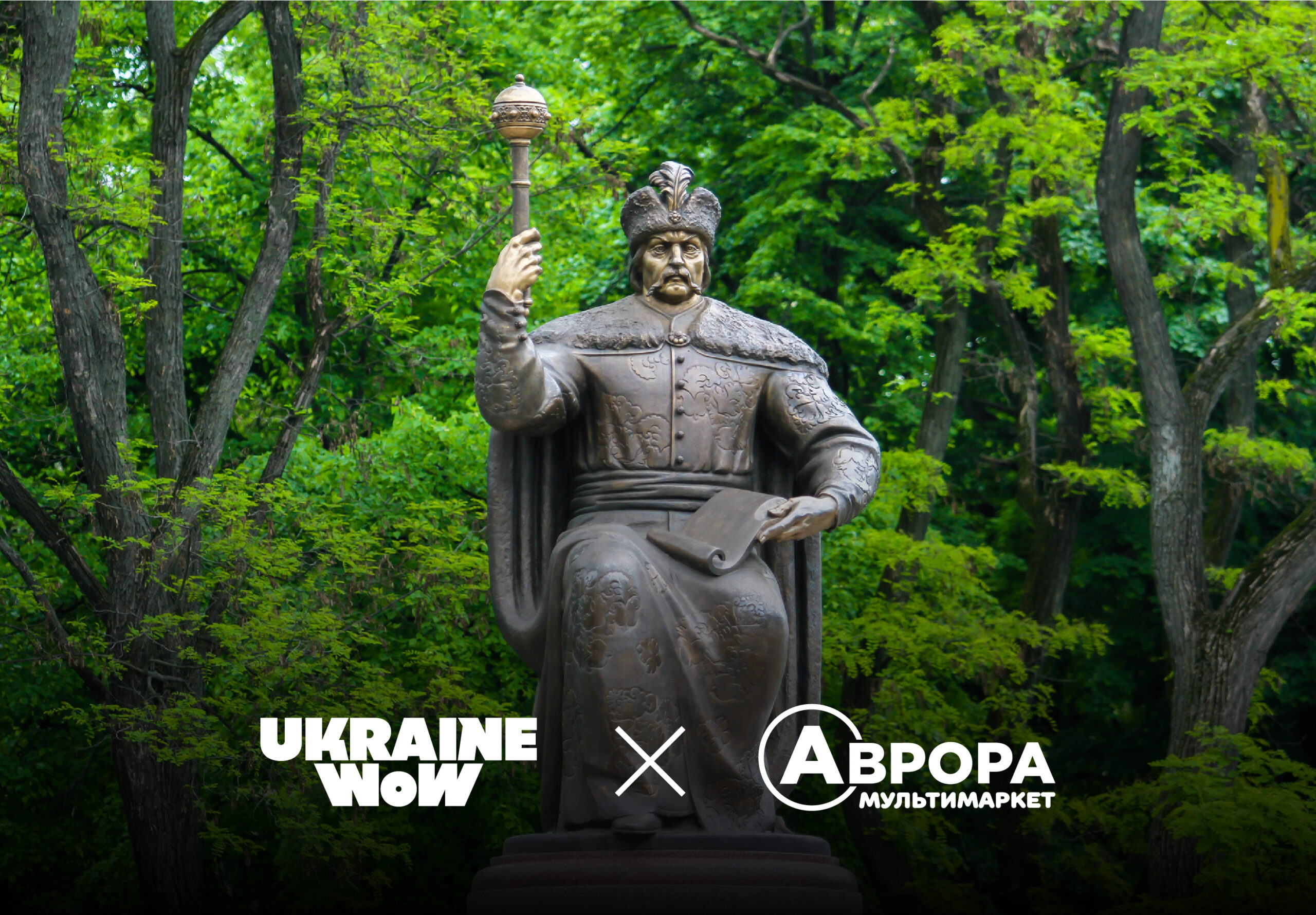
Ivan Mazepa is one of the most famous and controversial figures in Ukrainian history, known for his role as a political leader, military commander, and Hetman of the Zaporizhian Cossacks.
Born around 1639, Mazepa rose to become Hetman of the Cossack Hetmanate in 1687. His rule was marked by efforts to strengthen Ukrainian autonomy within the complex political environment dominated by the Polish-Lithuanian Commonwealth, the Russian Empire, and the Ottoman Empire.
Mazepa’s legacy is most closely tied to his alliance with Charles XII of Sweden during the Great Northern War. In 1708, seeking to free Ukraine from Russian control, Mazepa switched allegiance from Tsar Peter the Great to support the Swedish king. This bold move aimed to secure Ukrainian independence but ended in military defeat at the Battle of Poltava in 1709. After the defeat, Mazepa fled with Charles XII to the Ottoman Empire, where he spent his remaining years.
Despite the failure of his rebellion, Mazepa is remembered as a symbol of Ukrainian national identity and resistance to imperial domination. His story has inspired poets, writers, and historians, reflecting the enduring struggle for Ukrainian sovereignty. His complex legacy is viewed differently across various historical narratives, but in Ukraine, he remains a key figure in the nation’s quest for independence.